The Best Part of Sanibel Island for Shelling
Why Sanibel's beaches collect so many shells, and where to look.
See top-rated activities »Where to Find the Best Shells
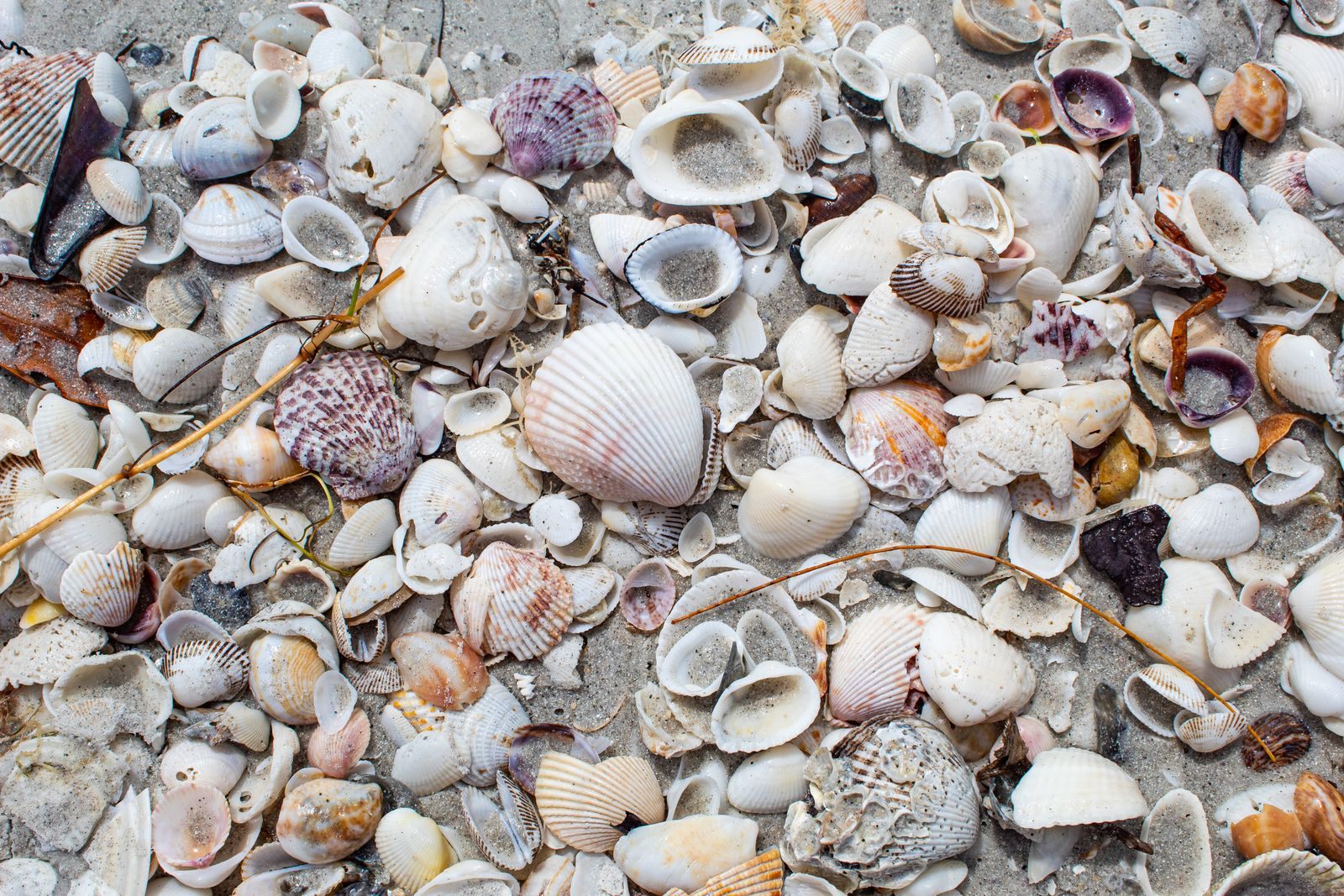
Sanibel is one of the best shelling islands in North America because of its shape. Most barrier islands run north to south, but Sanibel curves east to west, so its long southern shore faces the Gulf like a scoop, and shells carried by currents from a shallow, shell-rich shelf pile up on its beaches. Collectors find lightning whelks, fighting conchs, cockles, scallops, olives, tulips, murex and, with real luck, the rare junonia.
Which is the best part of Sanibel Island for shelling depends on the day, but most regulars head west. Bowman's Beach, a long, natural beach backed by sea grape and reached by a short walk from the parking area, is the classic choice, and Blind Pass, at the far western tip where Sanibel meets Captiva, often has the thickest shell beds and a channel where the current drops shells at the water's edge. Turner Beach, on the Captiva side of the pass, is just as good and is the island's favorite sunset spot.
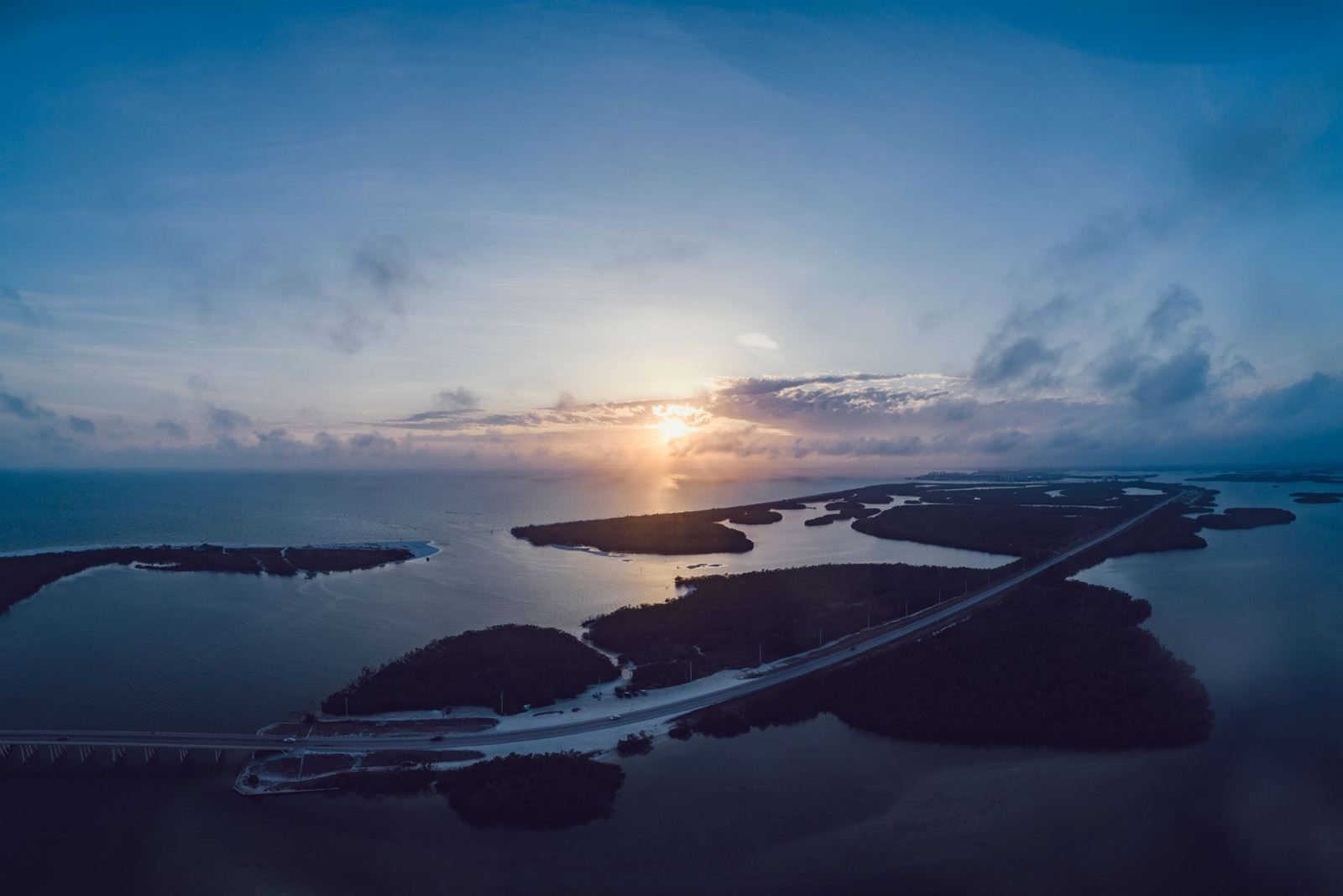
At the eastern end, Lighthouse Beach surrounds the Sanibel Lighthouse, an iron-frame tower first lit in 1884, with a fishing pier on the bay side and shells along the Gulf side. The Causeway Islands, a pair of small beaches along the causeway road, reopened in 2025 and are popular for windsurfing and picnics. Shelling is usually best at low tide, early in the morning, and in the days after a winter cold front or a storm stirs up the Gulf.
Before you go, stop at the Bailey-Matthews National Shell Museum and Aquarium on Sanibel-Captiva Road, the only museum in the country devoted to shells and the animals that make them. It has a great hall of shells, touch pools and daily talks, and it will help you identify what you found. One firm rule: collecting live shells is against the law throughout Lee County, including live sand dollars and sea stars. If anything is living inside, put it back in the water.
Don’t Miss
A long, undeveloped beach that many collectors rank first for shells.
Shell beds on both sides of the pass between the islands, with sunsets over the Gulf.
An 1884 iron lighthouse, a fishing pier and a beach on two shores.
Shells from around the world, live animal tanks and help identifying your finds.
Pioneer homes, a post office and a general store moved together to show island life a century ago.
Concerts, films, theater and art classes on the island, busiest in winter and spring.
Top-Rated Tours, Tickets & Activities in Sanibel's beaches
 Viator
 Viator
 Viator
 Viator
Tours, tickets, prices and reviews from Viator (a Tripadvisor company) and Tiqets — prices are per person, from, and were checked October 28, 2026. Best of Sanibel Island may earn a commission when you book, at no extra cost to you.
Plan your time in Sanibel's beaches
Tell us when you are coming and what you enjoy. A travel specialist will put together hotel, activity and travel options for you — free, with no obligation.
Get free trip quotes »Sanibel's beaches — FAQ
What is the best time of day to go shelling on Sanibel?
At low tide, especially an early-morning low tide. Check a tide chart, and go after a cold front, a storm or a stretch of strong west winds, when the most shells wash in.
Can I take shells home from Sanibel?
Yes, as long as nothing is living inside. Collecting live shells, live sand dollars and sea stars is against the law in Lee County, and empty shells are fine to keep.
What is a junonia?
A rare spotted shell that lives in deeper water offshore. Finding one on the beach is so unusual that the local paper has traditionally printed the finder's photo.
More of Sanibel and Captiva